Войти
ВойтиSpanish Prime Minister calls for EU to break Association Agreement with Israel
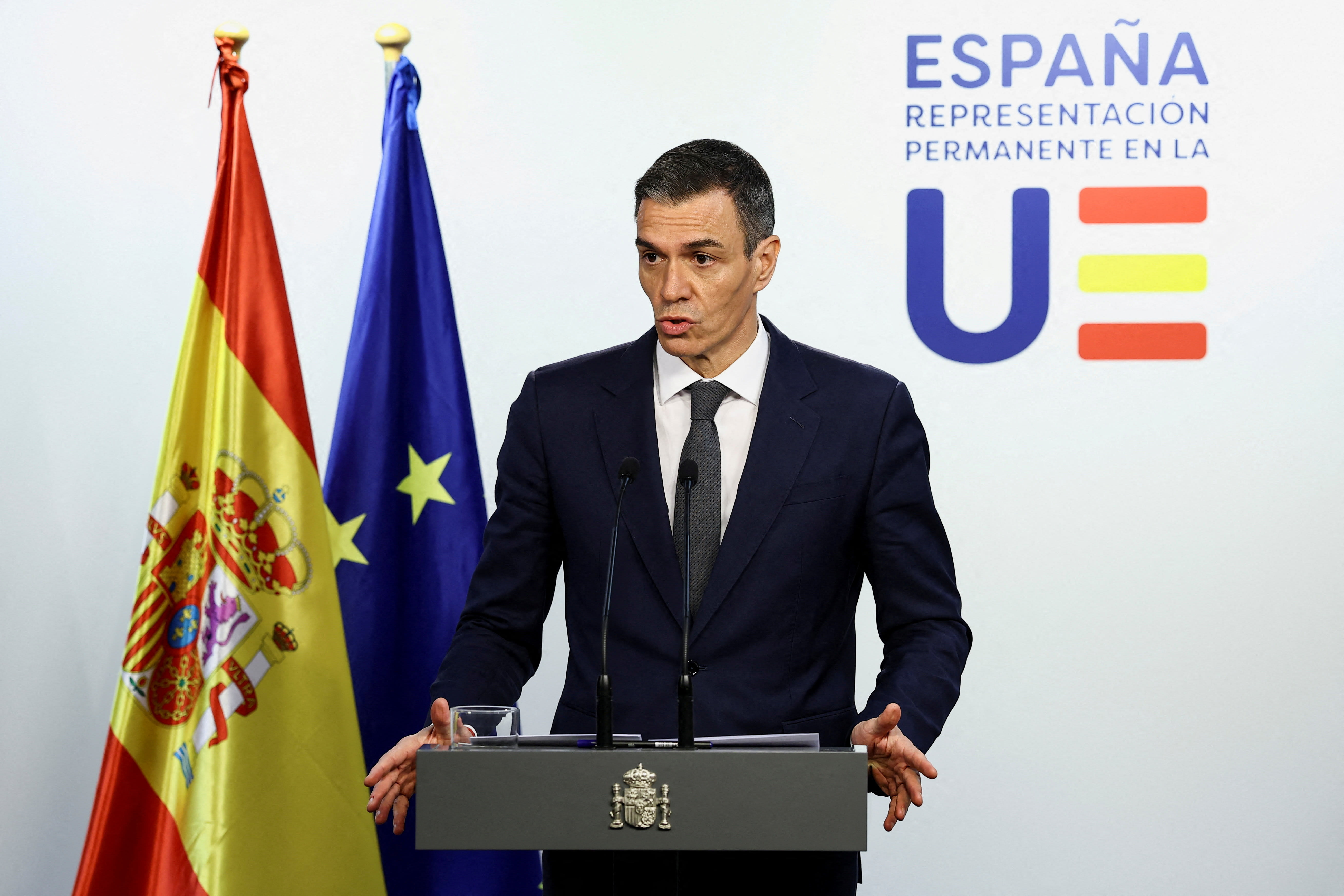
"A Government that violates international law and, therefore, the principles and values of the EU cannot be our partner," Sanchez wrote










Urban landscape architect Cecília Herzog, a member of the Network of Experts in Nature Conservation (RECN), says river restoration is an urgent measure given the current climate scenario.
“It’s important to remember that water doesn’t disappear. When it rains, it always flows to the lowest points and, at some point, can flood them, especially in flatter or low-lying areas,” Herzog said.
With fewer permeable surfaces, water runs off more quickly, increasing the risk of flooding. In this context, river restoration must be accompanied by a broader revitalization of the urban landscape, including the expansion of green spaces and natural drainage systems. Permeable soil helps slow runoff.
“Water seeps into the soil, is retained for a while, and then continues its course in a more balanced way. In open rivers, with their natural course and riparian vegetation, the impact of rainfall is much smaller,” the landscape architect explained.


This understanding is beginning to gain traction in Brazil. In São Paulo, the future Bixiga Municipal Park envisions reopening part of the Bixiga stream, as well as preserving springs and expanding green spaces. The project is the result of more than four decades of mobilization by civil society.
In 2024, the city council approved the allocation of the land for the creation of the public space, and in January this year, the city launched a national public competition to define the design of the future park. The result is expected to be announced in May.
In Rio de Janeiro, a working group coordinated by the Municipal Secretariat for the Environment and Climate is studying the rehabilitation of the Maracanã River through nature-based solutions. Researchers from public and private universities are participating in the initiative.
The proposal includes measures to restore some of the river’s original characteristics and expand the region’s drainage capacity. In March, a partnership was established with the Brazilian Institute of Architects (IAB-RJ) to hold a national public design competition for the renaturalization project. No date has yet been set for the call for proposals, but it is expected to be released later this year.
Architect and urban planner Juliana Baladelli Ribeiro, project manager at the Boticário Group Foundation, emphasized that renaturalization is part of a new urban development paradigm.
“This concept also includes the implementation of green roofs, rain gardens, vegetated swales, small retention basins, extensive tree planting, and other structures that allow for temporary water retention, facilitate infiltration into the soil, and promote evapotranspiration by plants,” Ribeiro noted.
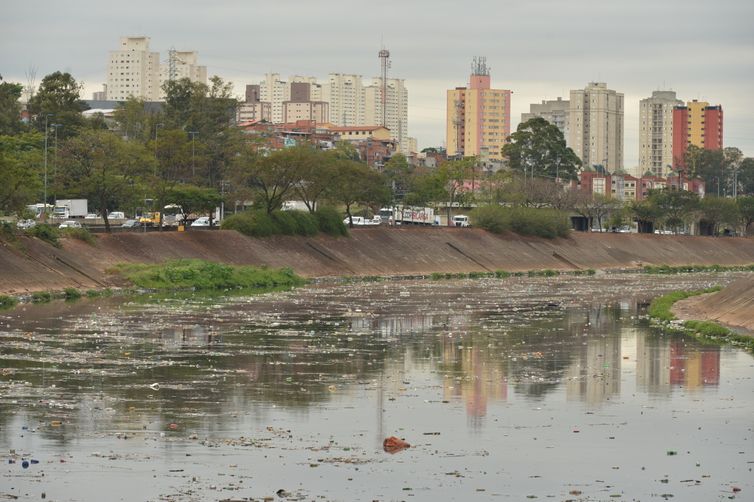
In addition to reducing flooding, these solutions also help mitigate heat waves, which are becoming increasingly frequent in cities.
Experts emphasize that isolated measures will not be sufficient in the face of increasingly intense extreme weather events. Climate adaptation requires integrated actions tailored to the reality of each territory.
“It will be necessary to create a system for revitalizing the urban landscape. The idea is to restore to the city areas of living soil and native vegetation capable of performing important ecological functions that are currently compromised,” the architect stated.
“This may include sunken areas designed to collect rainwater and various types of green infrastructure, ranging from small-scale interventions to larger projects, depending on the characteristics of each city. Adapting to climate change is always a local challenge that must be addressed in each specific area,” Herzog added.