Войти
ВойтиReporters Notebook: Israel’s northern border amid peace and war
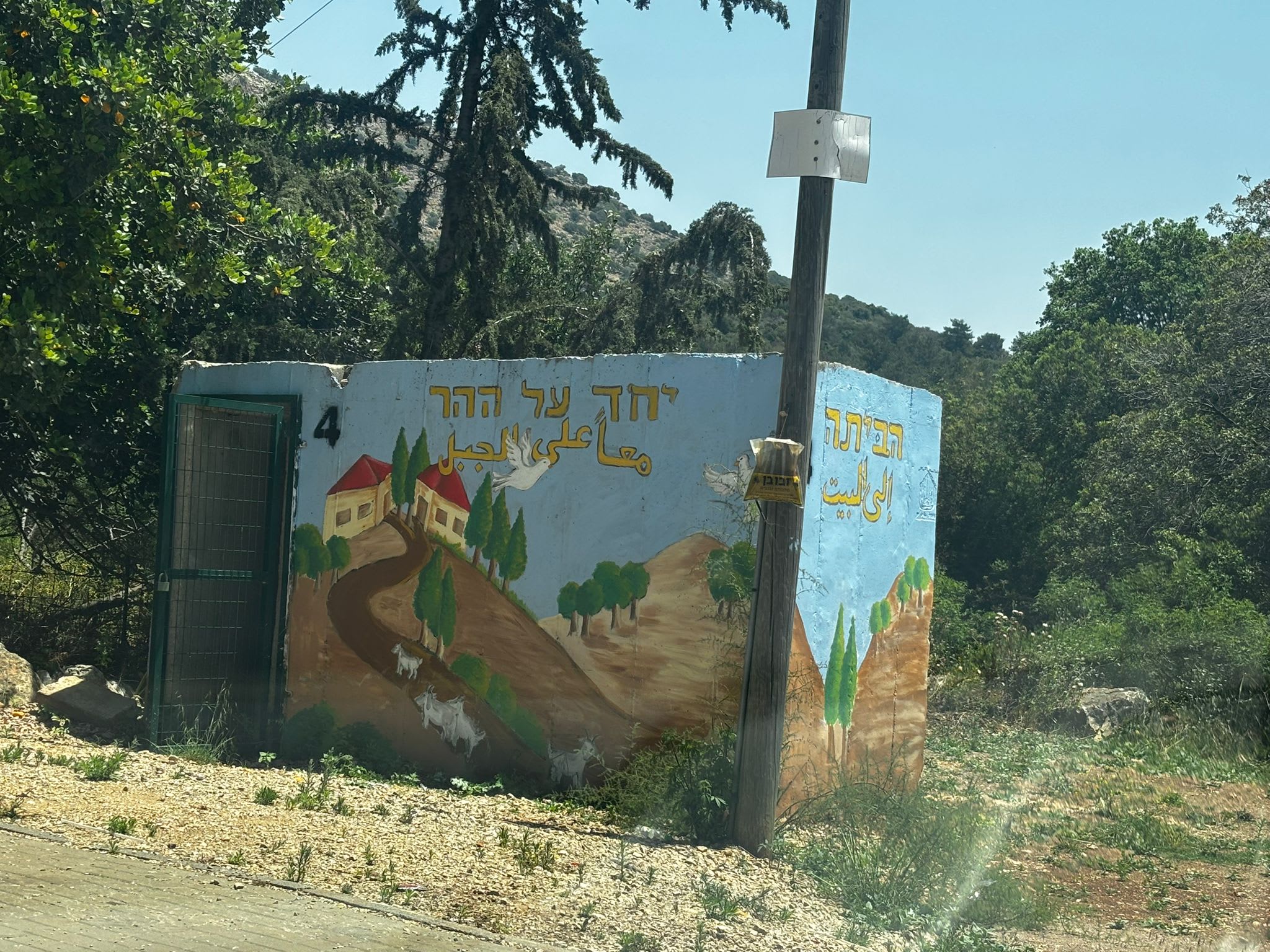
Despite ongoing tensions, Israel's northern border shows signs of quiet resilience as local communities resume life amid rising security threats.






The meeting brought together heads of state and representatives from 38 countries - 18 of which are among Africa’s 54 nations - as well as members of ten international organizations, such as the United Nations (UN) and the European Union (EU). Brazil was represented by its ambassador to Senegal, Daniella Xavier.
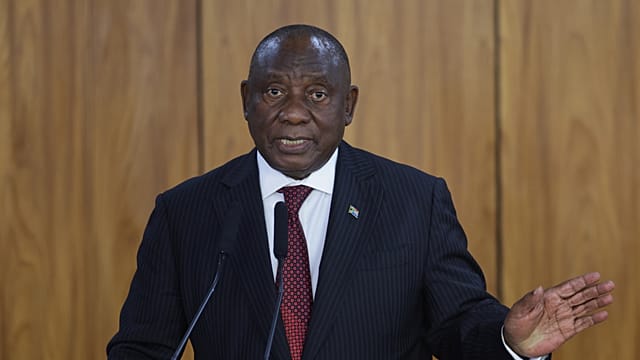
“A space for reflection and exchange on ways to develop internal solutions to the continent’s security challenges,” Faye said in his speech.
Mozambican diplomat Leonardo Santos Simão, head of the UN Office for West Africa and the Sahel, points out that Senegal has a history of promoting peace and stability and has never experienced a coup d’état.
He noted that Africa is facing “turbulent” times due to internal and regional conflicts, terrorism, and organized crime.
The UN representative emphasized that Senegal is part of the Global South, an international alliance championed by Brazil - a group of developing nations that share common social challenges.
Simão notes that the Global South serves as a forum for internal dialogue within the South to identify common challenges, as well as for dialogue between the Global South and the Global North (wealthy countries).
“This South is increasingly united,” he said. “Senegal is also part of this effort. It is on the same page as Brazil and other countries of the South in bringing the voice of the Global South to the table so that solutions can be found to the problems of poverty and exclusion,” he stated.
Leonardo Simão also points out that the sovereignty of African countries “is an ever-greater imperative.”
In his view, Northern countries must understand that “the relationships of the past are no longer acceptable; they need to be revised.”
Among the foreign delegations at the Dakar International Forum were representatives from European governments with a colonial past, such as Germany, Spain, Portugal, and France, which colonized Senegal until 1960.
Mozambican professor Carlos Lucas Mamboza, a specialist in Strategic Studies, Security, and Defense, considers the forum to be a “clear instrument” of soft power.
In diplomatic jargon, soft power is the ability to influence international relations through attraction and persuasion, rather than coercion and the use of military force.
“It seeks to project the image of a stable state with institutional capacity and the ability to mediate conflicts in the Sahel region, as well as in Africa as a whole,” he explains from Maputo, the capital of Mozambique.
The theme of this year’s forum was “Africa Faces the Challenges of Stability, Integration, and Sovereignty: What Are the Sustainable Solutions?”
For Mamboza, who is also a professor of African Studies in International Relations at Fluminense Federal University (UFF), the choice of topic highlights a major dilemma that African states have been grappling with.
“It is the need to balance internal stability, regional integration processes, and the preservation of sovereignty in an international landscape marked by intense competition among the major powers, namely China, Russia, and the United States,” said Mamboza.
The professor points out that the meeting had a broader agenda, addressing issues such as climate change, pandemics, transnational crime, cybersecurity, and technology.
“This indicates an effort by the continent to take an autonomous stance in defining its own strategic priorities,” he noted.
Carlos Lucas Mamboza notes that Senegal also maintains diplomatic ties with South America and Brazil. The country is a member of the Zone of Peace and Cooperation of the South Atlantic (ZOPACAS), an alliance of more than 20 countries - mostly African - dedicated to keeping the southern Atlantic free of war and geopolitical disputes.
Less than two weeks ago, Brazil assumed the group’s leadership at an event in Rio de Janeiro.
“Senegal emerges as an important link between West Africa and the strategic South Atlantic region, connecting directly with Brazil’s interests,” he added.
In the professor’s words, this is a form of South-South cooperation. When discussing the two countries’ shared interests, Mamboza cited the advocacy for reforms in global governance. One example is the UN Security Council, a longstanding demand of both Brazil and African nations.
Currently, only five countries have permanent seats on the council and veto power (Russia, the United States, China, the United Kingdom, and France), none of which are from South America or Africa.
The Council’s functions include imposing international sanctions and authorizing military intervention.
*The reporter traveled at the invitation of the Ministry of African Integration, Foreign Affairs, and Senegalese Abroad.